
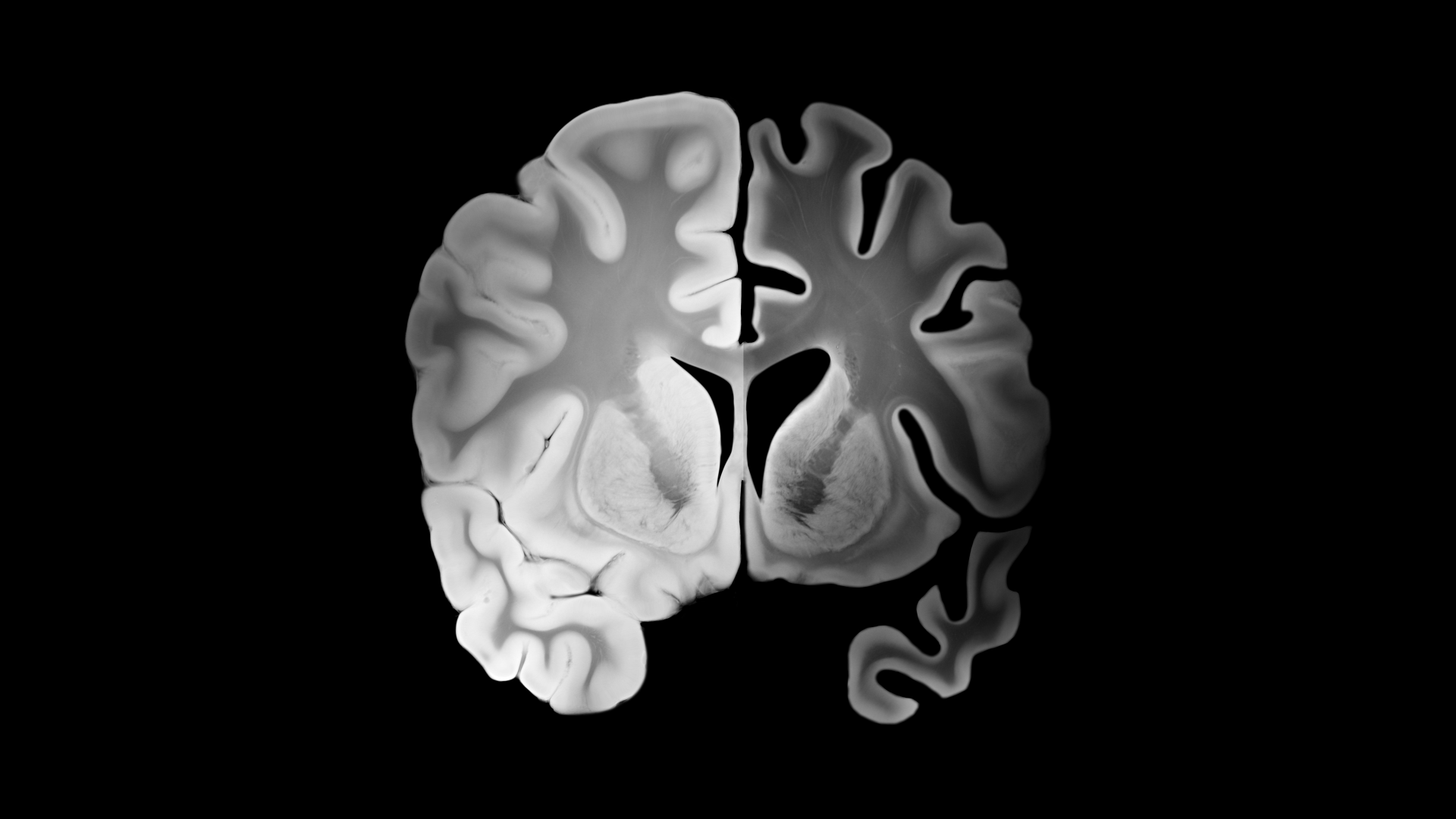
Alzheimer’s disease is one of the most feared diagnoses in modern medicine. Today, nearly 7 million Americans are living with Alzheimer’s disease, a figure projected to double by 2050 as populations age.1,2 Globally, dementia affects more than 55 million individuals, exacting an immense emotional, physical, and financial toll on patients and families.1
For decades, the search for a pharmacological "cure" has dominated headlines. However, despite billions of dollars invested in drug development, clinical progress on the treatment front remains modest.2,5
The most recent global evidence makes one reality abundantly clear: the most effective, evidence-supported strategy we currently have to combat Alzheimer's disease is proactive, multidomain prevention.1,3
According to the 2024 Lancet Commission on Dementia Prevention, Intervention, and Care, addressing 14 modifiable lifestyle, vascular, and metabolic risk factors across the lifespan accounts for a population-attributable fraction of roughly 45% of dementia cases worldwide.1 While this represents a theoretical upper-bound estimate assuming complete elimination of these risk factors across whole populations, it highlights the immense potential of proactive clinical care.1
Here is an evidence-based breakdown of why current Alzheimer's medications have limitations, how proactive prevention intercepts neurodegeneration decades before symptoms arise, and the proven strategies you can use today to protect your cognitive healthspan.
1. The Reality of Current Alzheimer's Medications
To understand why prevention is paramount, it is necessary to examine what current pharmaceuticals can—and cannot—achieve.2,5
Symptomatic Therapies (Cholinesterase Inhibitors & Memantine)
For decades, standard medical care has relied on medications like donepezil, rivastigmine, galantamine, and memantine.2 While these drugs can temporarily stabilize cognitive symptoms by boosting neurotransmitter availability (such as acetylcholine), they do not alter the underlying disease process or stop progressive neuronal loss.2
Disease-Modifying Monoclonal Antibodies
Recent regulatory approvals for anti-amyloid monoclonal antibodies (such as lecanemab and donanemab) represent a notable scientific milestone by proving that clearing amyloid-beta plaques from the brain is technically possible.2,5
However, their real-world clinical efficacy remains modest:
Small Absolute Slowing: In Phase 3 clinical trials, these therapies produced a 27% to 35% relative slowing of clinical decline over 18 months, which equates to roughly a 0.5-point difference on an 18-point clinical scale (CDR-SB).2,5 The real-world clinical meaningfulness of this difference remains actively debated among neurologists.2,5
Safety & Monitoring Burden: Monoclonal antibodies carry risks of Amyloid-Related Imaging Abnormalities (ARIA), including localized brain edema (swelling) or microhemorrhages, requiring regular MRI monitoring.2,5
Late-Stage Initiation: These therapies are typically initiated after substantial synaptic loss, brain network damage, and tau protein spread have already occurred.2
Because pharmacotherapy cannot yet restore lost neural architecture, reducing underlying vascular, metabolic, and neuroinflammatory injury before symptoms appear remains the most reliable strategy available.1,2
2. Evidence-Based Strategies for Dementia Prevention
Neurodegenerative pathology develops silently over 20 to 30 years before memory loss becomes clinically apparent.2 The following domains represent the strongest evidence-informed targets for long-term brain health:
1. Multidomain Lifestyle Interventions
Lifestyle risk factors do not operate in silos; they compound over time.1,3
The Evidence: The landmark FINGER trial (Finnish Geriatric Intervention Study to Prevent Cognitive Impairment and Disability) evaluated an intensive multidomain intervention combining structured exercise (aerobic and resistance training), dietary modification, cognitive training, social activity, and regular vascular risk management.3
The Findings: Over two years, participants in the multidomain group demonstrated statistically significant improvements in global cognitive performance, executive function, and processing speed compared to controls receiving standard health advice.3
2. Cardiorespiratory and Resistance Exercise
Physical activity is a foundational pillar of cognitive health.1,3
The Mechanisms: Exercise stimulates the production of Brain-Derived Neurotrophic Factor (BDNF), a growth factor that supports synaptic plasticity and neuronal survival in the hippocampus.1 Exercise also enhances cerebral perfusion, supports microvascular endothelial health, and lowers systemic inflammatory tone.1,3
3. Neuroprotective Nutrition (The Mediterranean and MIND Diets)
Dietary patterns directly influence systemic inflammation, lipid peroxidation, and cerebrovascular health.1,6
The Mechanisms: Diets rich in leafy green vegetables, berries, extra virgin olive oil, nuts, and fish provide polyphenols, carotenoids, and long-chain omega-3 fatty acids that support neuronal membrane integrity and reduce oxidative stress.1,6
The Evidence: While early single-cohort studies reported large risk reductions, recent pooled meta-analyses of 11 longitudinal cohorts (encompassing over 220,000 participants) indicate that high adherence to the MIND diet is associated with a more modest, but meaningful, ~17% lower risk of incident dementia.6 While current evidence is largely observational, these patterns align with broader cardiorenal and vascular health guidelines.1,6
4. Sleep Architecture and Glymphatic Clearance
Sleep represents a vital metabolic recovery window for the central nervous system.7
The Mechanisms: During slow-wave (deep NREM) sleep, the brain’s glymphatic system activates, with interstitial space expanding by up to 60% to allow cerebrospinal fluid to facilitate the clearance of metabolic waste products, including soluble amyloid-beta.7
The Clinical Nuance: While chronic sleep fragmentation correlates with higher biomarker accumulation, researchers note that the relationship between sleep disturbance and neurodegeneration in humans is complex and likely bidirectional—poor sleep may accelerate pathology, while early subclinical neuropathology simultaneously disrupts sleep circuits.1,7
5. Building Cognitive Reserve and Social Connection
Cognitive reserve refers to the brain's ability to maintain functional performance despite the presence of underlying neuropathology.1
The Mechanisms: Educational attainment, complex occupational tasks, and lifelong mentally stimulating activities increase synaptic density and neural redundancy.1 When pathology affects specific circuits, a brain with higher cognitive reserve can recruit alternate networks to preserve day-to-day function.1
Social and Emotional Health: The 2024 Lancet Commission attributes roughly 5% of global dementia cases to late-life social isolation and 3% to unmanaged depression, both of which drive chronic neuroendocrine stress responses.1
6. Aggressive Control of Vascular and Metabolic Risk Factors
Cerebrovascular health is essential for neuroprotection. Subclinical vascular disease accelerates cognitive decline through microvascular ischemia and blood-brain barrier dysfunction.1,4
Blood Pressure Optimization: The SPRINT MIND randomized clinical trial demonstrated that intensive systolic blood pressure lowering (< 120 mmHg vs. < 140 mmHg) resulted in a statistically significant 19% reduction in the incidence of Mild Cognitive Impairment (MCI).4 While the reduction in probable dementia did not reach statistical significance (largely due to early trial termination), long-term follow-up confirms that intensive blood pressure control provides robust cerebrovascular protection.1,4
Atherogenic Lipoproteins: The 2024 Lancet Commission identified elevated midlife LDL cholesterol (and atherogenic particle counts like ApoB) as an independent modifiable risk factor, contributing to roughly 7% of dementia cases globally.1
Metabolic Health & Glycemic Control: Midlife Type 2 diabetes and hyperinsulinemia contribute to microvascular damage and impaired cerebral glucose metabolism.1
Sensory Optimization: Correcting midlife hearing loss with hearing aids and addressing visual impairment reduces excess cognitive load and sensory deprivation, both recognized modifiable risk factors.1
3. The Synergistic Power of Proactive Care
Dementia prevention does not rely on a single supplement or isolated lifestyle change.1,3
A patient who engages in regular aerobic and resistance exercise, eats a nutrient-dense dietary pattern, prioritizes sleep, actively manages their blood pressure toward optimal levels (< 120 mmHg), and addresses atherogenic lipoproteins creates a resilient, well-perfused cerebral environment.1,3,4
While pharmaceutical researchers continue working on more effective therapies, proactive, multidomain prevention remains our most reliable tool to safeguard brain health across the lifespan.1,3
The Bottom Line
Alzheimer’s disease is not an inevitable consequence of aging.1 While current medications offer modest benefits, addressing modifiable vascular, metabolic, and lifestyle factors can significantly reduce long-term cognitive risk.1,2,4
By prioritizing cardiorespiratory fitness, cognitive stimulation, and strict control of cardiovascular risk markers (blood pressure, ApoB, and metabolic health), you can take proactive control of your cognitive healthspan today.1,3,4
References
Livingston G, Huntley J, Liu KY, et al. Dementia prevention, intervention, and care: 2024 report of the Lancet standing Commission. The Lancet. 2024;404(10452):572-628.
Serrano-Pozo A, Escott-Price V, Grinberg LT, et al. Alzheimer's Disease. The Lancet. 2026;407(10544):2241-2262.
Ngandu T, Lehtisalo J, Solomon A, et al. A 2 year multidomain intervention of diet, exercise, cognitive training, and vascular risk monitoring versus control to prevent cognitive decline in at-risk elderly people (FINGER): a randomised controlled trial. The Lancet. 2015;385(9984):2255-2263.
SPRINT MIND Investigators, Williamson JD, Pajewski NM, et al. Effect of Intensive vs Standard Blood Pressure Control on Probable Dementia: A Randomized Clinical Trial. JAMA. 2019;321(6):553-561.
Fox NC, Belder C, Ballard C, et al. Treatment for Alzheimer's Disease. The Lancet. 2025;406(10510):1408-1423.
Chen H, Dhana K, Huang Y, et al. Association of the Mediterranean Dietary Approaches to Stop Hypertension Intervention for Neurodegenerative Delay (MIND) Diet With the Risk of Dementia. JAMA Psychiatry. 2023;80(6):630-638.
Xie L, Kang H, Xu Q, et al. Sleep drives metabolite clearance from the adult brain. Science. 2013;342(6156):373-377.
Clinical Oversight & Authorship
Physician revieweddelaeMD Clinical Team
Clinical content at delaeMD is written and reviewed by licensed physicians, grounded in peer-reviewed evidence and current clinical guidelines, and intended for education — not as a substitute for individualized medical advice. Reviews are non-sponsored, physician-directed, and conducted independently of industry funding.