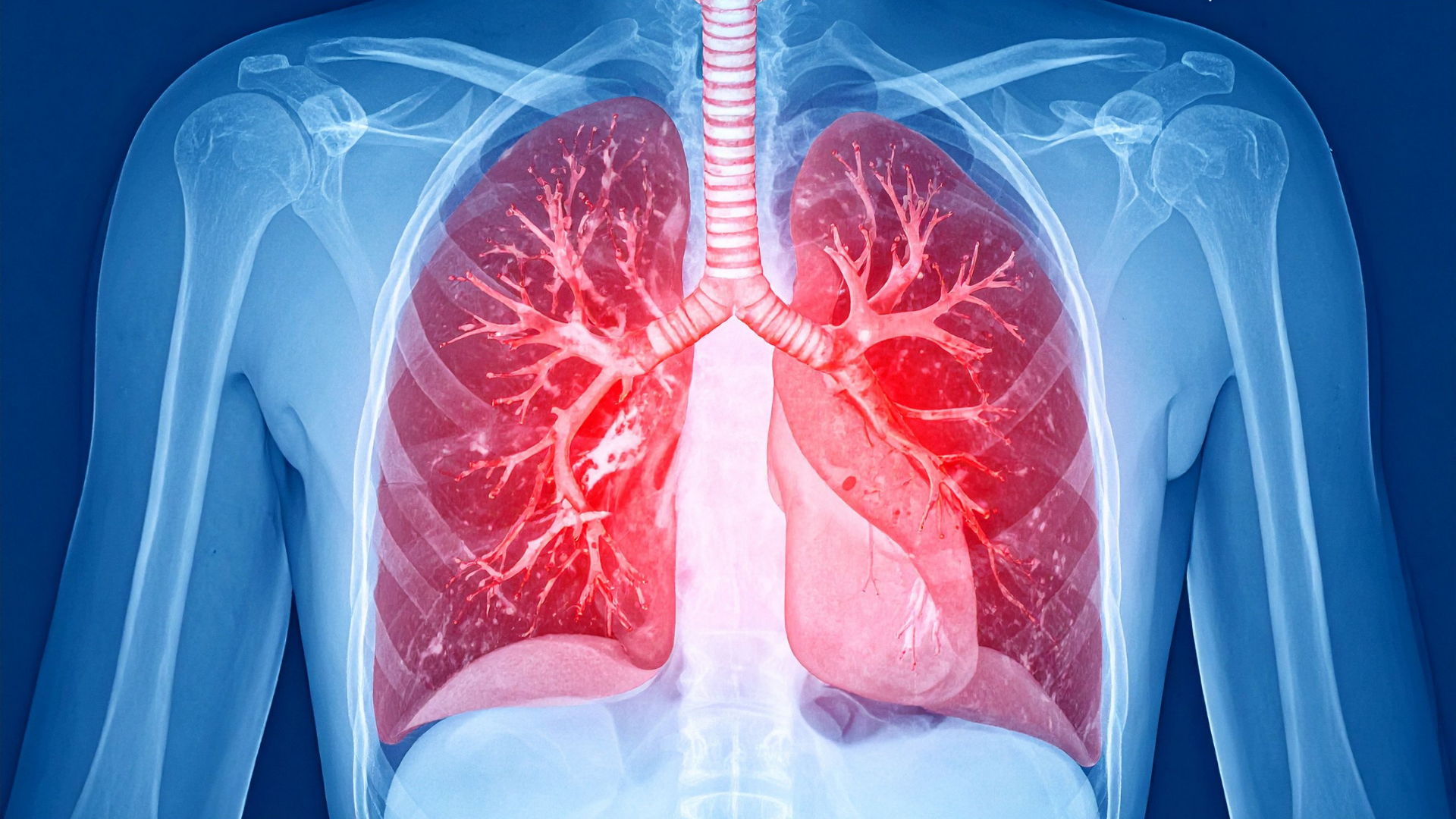

If modern medicine were tasked with fixing a crumbling house, its current strategy would be to repaint water-damaged drywall, patch individual floorboards, and replace cracked windowpanes—all while ignoring the shifting foundation beneath it.
For decades, biomedical research has operated in rigid silos. Hundreds of billions of dollars are directed toward studying and treating chronic conditions in isolation: cancer, Alzheimer’s disease, cardiovascular disease, and Type 2 diabetes.1,2
Yet, despite monumental clinical efforts, successfully treating one chronic condition often leaves an individual vulnerable to the next one in line.1,4
To make meaningful, sustainable progress against chronic disease and functional decline, healthcare research must target the primary biological driver that connects them all: biological aging.1,3
This is the core premise of geroscience—and why public funding for basic aging biology requires an urgent reallocation of resources.1,4
1. The Geroscience Hypothesis: Targeting the Root Cause
The Geroscience Hypothesis is a biologically and epidemiologically grounded framework: biological aging is the single greatest modifiable risk factor shared across major chronic, non-communicable diseases.1,3
Rather than developing as entirely unrelated events, the major drivers of mortality and functional decline share common upstream cellular and molecular hallmarks:1,2
Cardiovascular Disease: Accelerated by age-related arterial stiffening, endothelial dysfunction, and chronic vascular inflammation.1,2
Neurodegenerative Disorders: Driven by cerebrovascular decline, loss of proteostasis (protein misfolding), and impaired glymphatic clearance.1,2
Malignancies: Enabled by accumulated genomic instability, epigenetic alterations, and declining immune surveillance.1,2
Metabolic Disease & Sarcopenia: Driven by nutrient-sensing dysregulation, mitochondrial decay, and stem cell exhaustion.1,2
In animal models, interventions that target these fundamental aging mechanisms consistently delay the onset of multiple chronic conditions simultaneously.1,3 While clinical validation in humans remains an active area of ongoing investigation, targeting shared biological drivers offers a powerful alternative to single-disease treatment.1,3
The Competing-Risks Problem
Epidemiological modeling demonstrates the mathematical limits of the single-disease approach.4,5
Because of competing risks, if medical science were to completely eliminate all forms of cancer tomorrow, average human life expectancy would increase by only an estimated 2 to 3 years.4 Aging individuals would remain just as vulnerable to stroke, heart failure, and dementia.4
Conversely, slowing the biological aging process addresses systemic vulnerability across all organ systems concurrently, expanding overall healthspan.1,4,5
2. The Structural Blindspots of Disease Silos
Our national research infrastructure was established in the mid-20th century, organized around specific organ systems and end-stage disease phenotypes.1,6
This siloed model creates distinct blindspots across medical disciplines:
Oncology Research: Focuses primarily on eradicating tumors and malignant cell proliferation, often under-investigating the background tissue vulnerability created by systemic cellular senescence and chronic low-grade inflammation.1,2
Neurology Research: Concentrates heavily on clearing downstream protein aggregates like amyloid plaques or tau tangles, frequently allocating less attention to upstream microvascular aging and systemic metabolic dysfunction.1,2
Cardiology Research: Directs vast resources toward managing late-stage arterial plaque and blood pressure, with less focus on the fundamental mitochondrial breakdown driving vascular stiffness.1,2
The Geroscience Alternative: Focuses directly on upstream molecular damage to intercept multimorbidity across all organ systems simultaneously.1,3
By forcing academic scientists to compete for grants categorized exclusively by individual diseases, biomedical funding structures disincentivize research into shared upstream mechanisms.1,6
3. The Public Funding Disparity
Despite the compelling scientific rationale behind geroscience, public research investment remains heavily skewed toward late-stage disease management.1,6
At major government agencies like the US National Institutes of Health (NIH), the overwhelming majority of funding is distributed to disease-specific institutes:6
National Cancer Institute (NCI): Receives the largest single share of federal biomedical research appropriations.6
National Institute on Aging (NIA): While the NIA’s top-line budget has expanded significantly over the past decade, funding-trend analyses show that the vast majority of this growth was congressionally earmarked specifically for Alzheimer's disease and related dementias (AD/ADRD funding grew by more than 350% over the last decade).6
The Division of Aging Biology (DAB)—the specific division within the NIA focused on understanding the fundamental cellular and molecular mechanisms of aging—receives only a tiny fraction of the total federal biomedical research budget.1,6 Modern medicine continues to spend billions managing the downstream wreckage of chronic disease while allocating minimal resources to studying its root biological driver.1,6
4. Why Private Investment Cannot Replace Public Science
In recent years, private biotechnology firms and venture capital have invested billions into candidate aging interventions and repurposed therapeutics.1,7
While private capital plays an important role in commercial drug development, it cannot substitute for government-backed basic scientific research:1,7
Long Horizons vs. Venture Cycles: Private investment operates on 5-to-10-year fund lifecycles requiring near-term commercial returns. It cannot reliably fund decades of foundational, exploratory discovery in basic genetics and cellular biology that carry no immediate patent protection.1,7
Biomarker Validation & Regulatory Frameworks: Because regulatory agencies like the FDA do not classify biological aging as a treatable disease, clinical trials must navigate surrogate endpoints.3,7 Government-funded research is needed to validate standardized biomarkers of aging and establish reliable clinical trial frameworks.7
Open Science & Data Sharing: Basic science supported by public grants produces open-access datasets, standardized protocols, and basic tools accessible to academic institutions worldwide, preventing foundational biological discoveries from being trapped behind proprietary paywalls.1,7
5. The Economic Case for Morbidity Compression
Reallocating public research capital to aging biology is not merely a scientific priority; it is an economic necessity.4,5
As global populations age, healthcare systems face unprecedented fiscal pressure from managing chronic multimorbidity—patients living for decades with three, four, or five concurrent chronic conditions.1,4
Geroscience aims for morbidity compression: keeping individuals functionally independent and free from chronic disease for as long as possible, dramatically shortening the period of physical decline and medical dependency at the end of life.1,4
Health economic models demonstrate the immense value of this approach:
The Goldman Model: A landmark health economics analysis by Goldman et al. calculated that a delayed-aging scenario extending life expectancy by 2.2 years would yield an estimated $7.1 trillion in economic value over 50 years, far outpacing single-disease interventions.4
The Value of Targeting Aging: Subsequent economic analyses by Scott, Ellison, and Sinclair in Nature Aging estimated that a slowdown in aging that increases life expectancy by just 1 year is worth roughly $38 trillion to society, demonstrating that compressing morbidity produces an enormous economic dividend.5
While health economists continue to study whether specific preventive interventions compress or expand lifetime medical costs, the broad societal value of prolonged functional independence remains undisputed.4,5
The Bottom Line
Treating age-related chronic disease without studying aging biology is like bailing water out of a boat without patching the hull.1,3
To build a sustainable healthcare system, public research funding must expand support for basic geroscience, establish validated biomarker trial standards, and align biomedical research with the root causes of chronic disease.1,6,7
References
Kennedy BK, Berger SL, Brunet A, et al. Geroscience: linking aging biology to chronic disease. Cell. 2014;159(4):709-713.
López-Otín C, Blasco MA, Partridge L, Serrano M, Kroemer G. Hallmarks of aging: An expanding universe. Cell. 2023;186(2):243-278.
Kritchevsky SB, Cummings SR. Geroscience. JAMA. 2025;334(12):1094-1102.
Goldman DP, Cutler D, Rowe JW, et al. Substantial health and economic returns from delayed aging may warrant a new approach to medical research. Health Affairs. 2013;32(10):1698-1705.
Scott AJ, Ellison M, Sinclair DA. The economic value of targeting aging. Nature Aging. 2021;1(7):616-623.
Ballreich JM, Gross CP, Powe NR, Anderson GF. Allocation of National Institutes of Health Funding by Disease Category in 2008 and 2019. JAMA Network Open. 2021;4(1):e2034890.
Moqri M, Herzog C, Poganik JR, et al. Validation of Biomarkers of Aging. Nature Medicine. 2024;30(2):360-372.
Clinical Oversight & Authorship
Physician revieweddelaeMD Clinical Team
Clinical content at delaeMD is written and reviewed by licensed physicians, grounded in peer-reviewed evidence and current clinical guidelines, and intended for education — not as a substitute for individualized medical advice. Reviews are non-sponsored, physician-directed, and conducted independently of industry funding.