
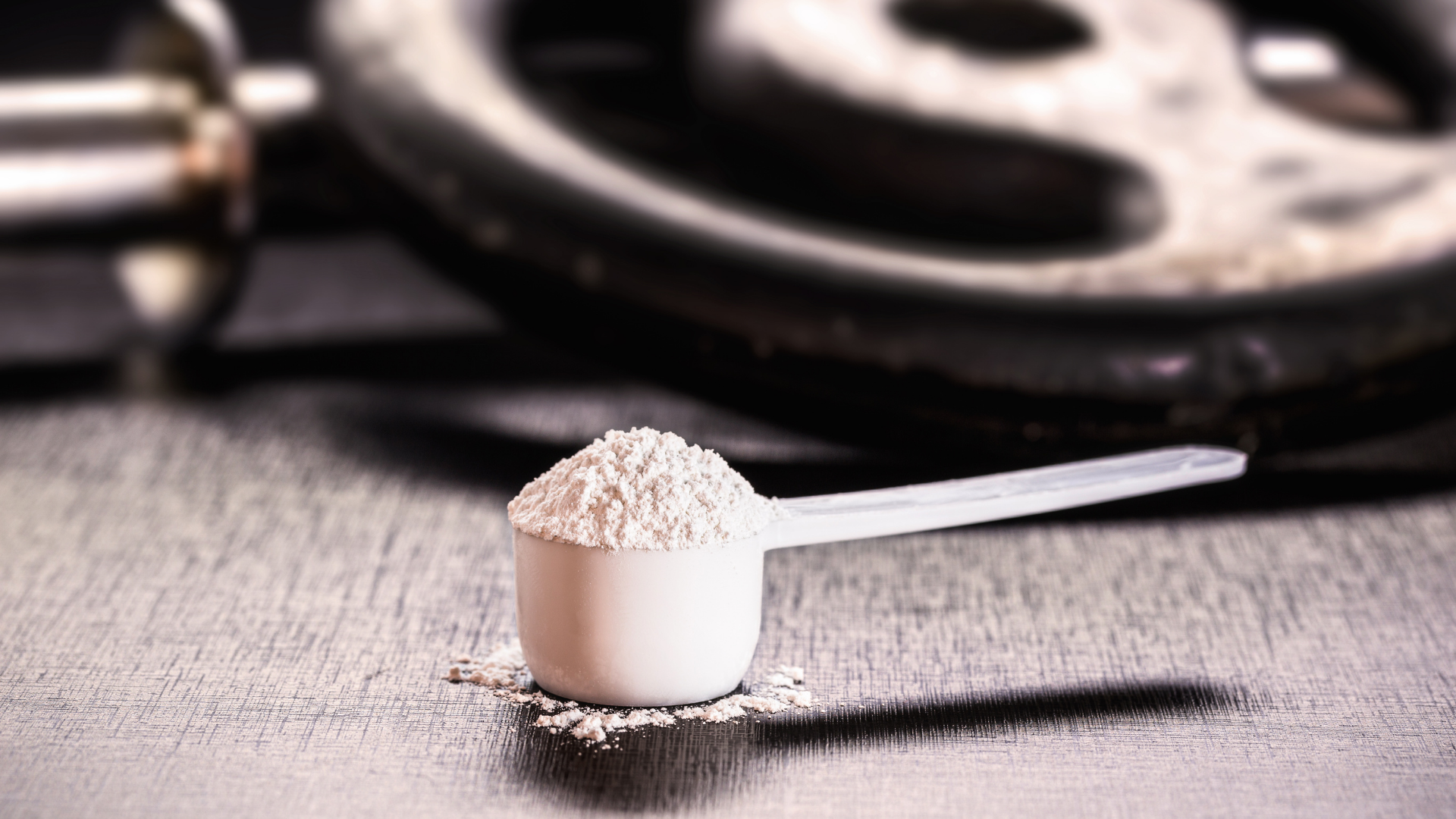
When people hear "creatine," they often picture bodybuilders or explosive athletes looking to increase power output. While creatine monohydrate is one of the most thoroughly tested supplements in sports science, modern preventive medicine views it through a broader physiological lens.
Creatine is an endogenous organic acid that plays a fundamental role in cellular energy transport. Beyond its ability to support skeletal muscle adaptations, clinical research evaluates its impact on cognitive performance, cellular bioenergetics, and neuromuscular health.1
Here is an evidence-based breakdown of how creatine works in the body, its musculoskeletal and cognitive effects, current research limitations, crucial laboratory considerations for kidney testing, and basic daily dosing.
1. How Creatine Works: Cellular Bioenergetics
To understand why creatine influences both muscle contraction and brain function, it helps to review the phosphocreatine (PCr) system.
Adenosine triphosphate (ATP) is the primary energy currency of human cells. When a cell performs work—whether a skeletal muscle fiber contracting or a neuron firing an action potential—it hydrolyzes ATP into adenosine diphosphate (ADP) and inorganic phosphate, releasing energy.1
However, cellular ATP stores are limited and deplete within seconds of high-intensity demand.1
Creatine, stored primarily in muscle tissue (~95%) and the brain (~5%) as phosphocreatine, acts as a rapid energy buffer:1
Rapid ATP Resynthesis: The enzyme creatine kinase transfers a high-energy phosphate group from phosphocreatine directly to ADP, rapidly resynthesizing ATP without requiring oxygen.1
Cellular Osmolality & Hydration: Creatine acts as an intracellular osmolyte, drawing water into cells. Researchers hypothesize that this hydration signal may support protein synthesis pathways and reduce protein breakdown, though this remains an active area of study.1
Mitochondrial Protection: Preclinical models suggest creatine helps maintain mitochondrial membrane stability and reduces the accumulation of reactive oxygen species during metabolic stress.1
2. Musculoskeletal Benefits: Sarcopenia, Strength, and Sex Differences
Loss of skeletal muscle mass and strength (sarcopenia) is a major contributor to frailty, metabolic dysfunction, and physical disability in late adulthood.2 Creatine acts strictly as an adjunct to resistance training; meta-analyses demonstrate that taking creatine without exercise produces no meaningful lean mass gain.3
What the Clinical Studies Show
Older Adults: A systematic review and meta-analysis by Devries and Phillips examined older adults (ages 57 to 70) undergoing resistance training. Participants taking creatine gained an average of 1.4 kg (3.1 lbs) more fat-free mass and demonstrated significantly greater improvements in leg press and chest press strength compared to placebo.2
Sex Differences in Response: Meta-analytic data show that lean body mass gains from creatine plus resistance training are significantly more pronounced in males (+1.46 kg) than in females (+0.29 kg).3 In postmenopausal women, functional and structural benefits generally require consistent dosing (≥5 g/day) strictly paired with structured resistance training.3,6
3. Cognitive Effects: What the Data Shows (And What It Doesn't)
While muscle tissue absorbs creatine readily, the brain is also a highly demanding organ, accounting for roughly 20% of the body's total energy consumption.1,4 Neuronal creatine kinase helps maintain energy homeostasis during cognitive exertion or metabolic stress.1,4
Softened Clinical Evidence
Modest, Age-Dependent Memory Benefits: A meta-analysis by Prokopidis et al. found that creatine supplementation produces small, age-dependent improvements in memory tasks (standardized mean difference 0.29), with the clearest signals observed in older adults (ages 66 to 76).4
Mixed Findings Across Broader Cognitive Tasks: While small trials suggest a possible signal during acute sleep deprivation—primarily confined to specific prefrontal and central executive tasks—the overall evidence base remains sparse and domain-specific.4,5 The largest randomized controlled trial in healthy adults (Sandkühler et al., n=123) found minimal-to-no significant benefit across a wide battery of executive function, spatial reasoning, and processing speed tasks.5
The Vegetarian Hypothesis Is Contested: Early studies suggested vegetarians experienced larger cognitive gains due to lower baseline dietary intake. However, recent randomized trials directly testing this hypothesis found that vegetarians did not experience greater cognitive improvements compared to omnivores.5
4. Unproven Claims: Bone Mineral Density and Glycemic Control
Earlier narrative reviews suggested broader therapeutic applications for creatine, but subsequent long-term clinical trials have clarified these limits:
Bone Mineral Density (BMD): No Direct Benefit. Rigorous long-term randomized controlled trials and a comprehensive meta-analysis (Naddafha et al.) concluded that creatine supplementation does not directly alter bone mineral density at the femoral neck, total hip, or lumbar spine in postmenopausal women.6 Any structural bone benefits are indirect, stemming purely from increased muscle force acting on bone during heavy lifting.3,6
Glycemic Control: While preclinical models show creatine can enhance GLUT4 transporter translocation to muscle cell membranes, robust human clinical outcome trials confirming meaningful reductions in glycated hemoglobin (HbA1c) remain preliminary.1
5. Non-Responders and Mild Side Effects
Non-Responders: A minority of individuals experience minimal change in muscle or brain creatine content following supplementation.1 This typically occurs in individuals who already possess saturated intramuscular stores, often due to a red-meat-rich diet.1
Mild Adverse Effects: Creatine is well-tolerated, but mild side effects occur slightly more frequently than with placebo.5 These include transient intracellular water retention (a benign 1- to 3-pound initial weight increase) and occasional gastrointestinal upset if large doses are taken with insufficient fluid.1,5
6. Laboratory Considerations for Kidney Testing
The most critical clinical nuance regarding creatine involves routine bloodwork interpretation.
Serum Creatinine vs. True Kidney Function
Metabolic Byproduct: Creatine spontaneously degrades in skeletal muscle at a steady rate into creatinine, which is excreted by the kidneys.1,7
Small Rise on Standard Labs: Supplementing creatine expands the total body creatine pool, causing a small rise in serum creatinine levels (roughly 0.1 mg/dL in pooled analyses).7
Unchanged Glomerular Filtration Rate: Recent systematic reviews and meta-analyses (Tsiaras et al.) confirm that this minor elevation in serum creatinine occurs without any adverse change in true glomerular filtration rate (eGFR) or blood urea nitrogen in individuals with healthy kidneys.7
Clinical Evaluation: Because the expected rise in serum creatinine from creatine supplementation is small, a substantial drop in eGFR or a large creatinine spike should not be casually dismissed as a supplement artifact and warrants a standard clinical workup.7
Evaluating True Kidney Function: When evaluating eGFR in a creatine user, clinicians should utilize the combined creatinine–cystatin C equation, which provides the most accurate, unbiased GFR estimate.7 While Cystatin C is independent of muscle mass and dietary creatine, clinicians should note that it can still be influenced by non-GFR factors such as obesity, thyroid dysfunction, smoking, systemic inflammation, or corticosteroid use.7
Washout Period: Holding creatine supplementation for several weeks generally allows serum creatinine levels to normalize, though the precise washout interval varies individually.7
Note on Kidney Disease: Renal safety data applies to individuals with healthy baseline kidney function; use in established Chronic Kidney Disease (CKD) requires formal medical evaluation and monitoring.7
7. Simple Dosing Regimen
Achieving and maintaining tissue saturation does not require complex loading phases or expensive formulations:
Daily Dose: Take 3 to 5 grams per day of standard Creatine Monohydrate.
Timeline: Intramuscular stores reach steady-state saturation over 3 to 4 weeks of consistent daily use.1
Formulation: Standard creatine monohydrate is inexpensive, highly bioavailable, and extensively studied. Alternative forms (such as Creatine HCL, Buffered Creatine, or Ethyl Ester) have not demonstrated superiority in outcome trials.1
Integrating Creatine into a Healthspan Strategy
Creatine monohydrate is an inexpensive, safe, and effective dietary adjunct to resistance training for preserving physical strength and lean mass in aging adults.1,2,3
Its cognitive benefits are modest and most evident in older adults, while claims regarding direct bone density enhancement or glycemic control are unsupported by long-term outcome trials.4,6
If you take creatine regularly, notify your physician prior to routine bloodwork so a minor rise in serum creatinine is interpreted correctly, and request a combined creatinine–cystatin C eGFR calculation if a precise assessment of kidney function is needed.
References
Kreider RB, Kalman DS, Antonio J, et al. International Society of Sports Nutrition position stand: safety and efficacy of creatine supplementation in exercise, sport, and medicine. Journal of the International Society of Sports Nutrition. 2017;14:18.
Devries MC, Phillips SM. Creatine supplementation during resistance training in older adults-a meta-analysis. Medicine and Science in Sports and Exercise. 2014;46(6):1194-1203.
Delpino FM, Figueiredo LM, Forbes SC, Candow DG, Santos HO. Influence of Age, Sex, and Type of Exercise on the Efficacy of Creatine Supplementation on Lean Body Mass: A Systematic Review and Meta-Analysis of Randomized Clinical Trials. Nutrition. 2022;103-104:111791.
Prokopidis K, Giannos P, Triantafyllidis KK, et al. Effects of Creatine Supplementation on Memory in Healthy Individuals: A Systematic Review and Meta-Analysis of Randomized Controlled Trials. Nutrition Reviews. 2023;81(4):416-427.
Sandkühler JF, Kersting X, Faust A, et al. The Effects of Creatine Supplementation on Cognitive Performance-a Randomised Controlled Study. BMC Medicine. 2023;21(1):440.
Naddafha S, Antonio J, Kreider RB, Stout JR. Creatine Monohydrate for Lean Mass, Strength, and Bone Density in Postmenopausal Women: A Systematic Review and Meta-Analysis. Journal of the International Society of Sports Nutrition. 2026;23(1):2668435.
Tsiaras A, Loufopoulos G, Theodoridis X, et al. The Effect of Creatine Supplementation on Kidney Function: A Systematic Review and Meta-Analysis of Randomized Controlled Trials. Journal of Renal Nutrition. 2026;S1051-2276(26)00082-8.
Clinical Oversight & Authorship
Physician revieweddelaeMD Clinical Team
Clinical content at delaeMD is written and reviewed by licensed physicians, grounded in peer-reviewed evidence and current clinical guidelines, and intended for education — not as a substitute for individualized medical advice. Reviews are non-sponsored, physician-directed, and conducted independently of industry funding.