
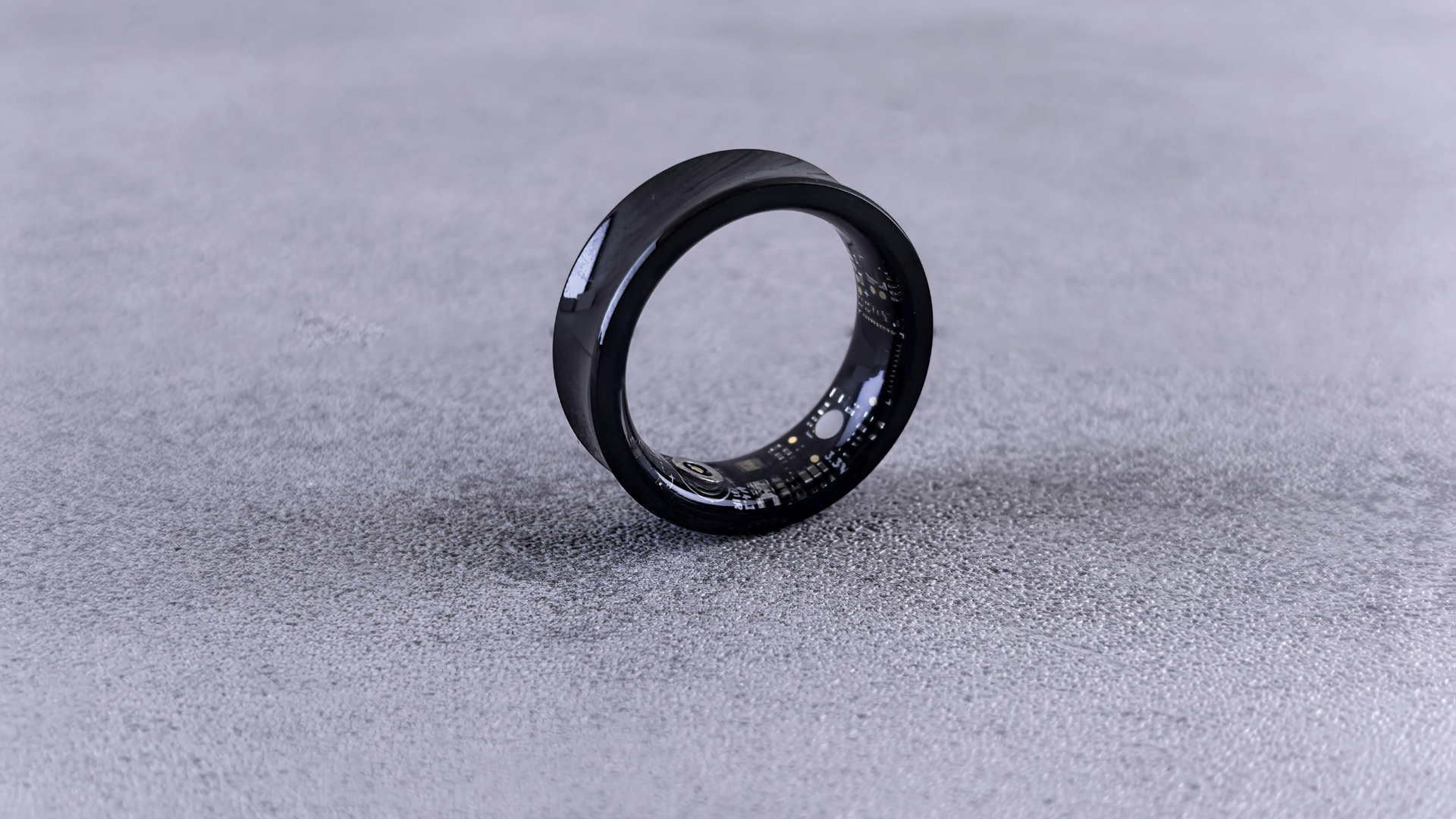
Consumer health wearables—from the Apple Watch and Oura Ring to Whoop and Garmin—have transformed how patients monitor their daily physiology. With continuous biometric tracking, millions of individuals now track heart rate, autonomic tone, blood oxygenation, and sleep architecture in real time.
However, there is a fundamental difference between consumer wellness tracking and medical-grade diagnostic testing.
When a wearable reports an HRV of 42 ms, 18% deep sleep, or an SpO2 of 94%, patients frequently wonder: How accurate is this number, and what does it actually mean for my health?
Interpreting wearable data requires distinguishing between point-in-time accuracy and longitudinal precision. Here is an evidence-based breakdown of wearable accuracy across key physiological metrics, why optical sensors have inherent physical limitations, and how healthspan physicians use these devices to guide preventive care.
1. Accuracy vs. Precision: The Golden Rule of Wearables
To evaluate any wearable sensor, clinicians assess two distinct measurement properties:
Accuracy (Validity): How closely a device's measurement matches a recognized medical gold standard—such as a 12-lead electrocardiogram (ECG), overnight polysomnography (PSG), or arterial blood gas analysis.1
Precision (Reliability/Repeatability): How consistently a device measures the same metric under identical conditions over time.
Most modern consumer wearables are moderately accurate, but highly precise.2
An optical sensor on your wrist may have a small baseline variance compared to a hospital ECG, but if it measures your resting physiology using the same algorithm under identical conditions every night, the relative trend (the change from your personal baseline) is clinically meaningful.1,3
2. Metric-by-Metric Breakdown: What the Science Shows
Different physiological metrics vary widely in their technical reliability on consumer devices:
Heart Rate (Resting vs. Dynamic)
Resting Heart Rate (RHR): Good accuracy. Systematic reviews of optical photoplethysmography (PPG) sensors demonstrate a mean measurement error of roughly +/- 3% in controlled resting conditions compared to medical-grade ECG.2 While conventional ECG remains the diagnostic gold standard, resting wearable data provide a dependable baseline.
Dynamic / High-Intensity Exercise: Substantially lower accuracy. Rapid arm movement, sensor displacement, sweat, and quick heart rate transitions introduce optical noise, reducing accuracy by roughly 30% during vigorous activity and occasionally causing "cadence locking" (where the sensor mistakenly records running cadence instead of heart rate).
Heart Rate Variability (HRV)
What It Measures: The millisecond variations between consecutive heartbeats (typically reported as root mean square of successive differences, or rMSSD), reflecting autonomic nervous system balance.7
Accuracy: High during overnight sleep. When measured in a motionless, resting state, wearable HRV correlates well with simultaneous ECG recordings.
Caveat: Daytime or waking HRV from wrist-worn devices is notably less reliable due to movement artifacts and acute mental or physical stressors. HRV should always be evaluated as a multi-day baseline trend rather than an isolated single-day score.
Blood Oxygen Saturation (SpO2)
How It Works: Medical pulse oximeters use transmission photoplethysmography (shining light through a fingertip or earlobe). Most wearables use reflectance photoplethysmography (measuring light reflected back from the wrist or finger).
Accuracy: Moderate. Large validation reviews demonstrate a mean absolute difference of up to 2% in normoxic conditions.2 However, during motion or hypoxic drops, reflectance sensors are prone to artifact errors. Wearables are not approved to diagnose clinical sleep apnea or acute respiratory failure.
Sleep Architecture and Sleep Stages
Sleep/Wake Detection: High sensitivity (>= 95%) for identifying when an individual is asleep versus awake.4
Total Sleep Time: Overestimated. Validation reviews consistently show that consumer wearables tend to overestimate total sleep duration (with mean percentage errors often exceeding 10%) and perform poorly at detecting brief awakenings.
Sleep Staging (Light vs. Deep vs. REM): Moderate to poor accuracy (stage sensitivity typically ranges between 50% and 80%).4 Wearables use surrogate markers (movement, heart rate, respiration) to infer sleep stages, but true sleep architecture requires electroencephalography (EEG) to measure brainwave activity. Wearable sleep-stage breakdowns should be viewed as general estimates rather than definitive neurology.
Pulse Wave Velocity (PWV) and "Vascular Age"
How It Works: Aims to estimate arterial stiffness based on pulse transit time or pulse wave contour analysis.5
Accuracy: Weak to moderate. In controlled physiological assessments, PPG-based stiffness estimates correlate weakly with gold-standard carotid-femoral tonometry and are highly susceptible to optical noise. Furthermore, many commercial "vascular age" algorithms rely heavily on mathematical modeling driven by age and blood pressure rather than an independent vascular measurement.
Nocturnal Skin Temperature and Respiratory Rate
Accuracy: High for relative baseline deviation. While wearables measure peripheral skin temperature rather than true core body temperature, tracking deviations from a multi-week baseline provides a sensitive early indicator of systemic inflammation, acute viral infection, or menstrual cycle phases.
3. Why Wearables Aren’t Perfect: The Physics of Optical Sensors
Consumer wearables rely primarily on photoplethysmography (PPG)—emitting light into the tissue and measuring changes in light absorption as blood volume pulses through local microvasculature.
This technology has inherent physical and algorithmic constraints:1,6
Motion Artifacts: Any movement between the optical sensor and the skin creates light leakage, distorting the optical signal.
Melanin Absorption and Skin Tone: Melanin absorbs green light (the wavelength most commonly used in optical sensors). In individuals with darker skin pigmentation, green-LED PPG can have reduced signal-to-noise ratios during active movement unless multi-wavelength or infrared sensors are utilized.6
Peripheral Perfusion and Vasoconstriction: Cold ambient temperatures or low peripheral perfusion reduce blood flow to the fingers and wrists, making optical signal capture difficult.
Proprietary "Black-Box" Algorithms: Wearable manufacturers regularly update their proprietary software algorithms without public disclosure, which can alter reported health scores overnight without any underlying change in patient physiology.
4. How Healthspan Physicians Use Wearable Data in the Clinic
In healthspan and preventive medicine, wearable technology is not used to make acute clinical diagnoses. Instead, it serves as a continuous physiological trend monitor.3
Clinicians leverage wearable data across three primary domains:
1. Trend and Baseline Deviation Monitoring
Rather than evaluating absolute single-night numbers, physicians look for multi-day deviations from an established baseline. A persistent rise in resting heart rate (+5 to 8 bpm) paired with a drop in HRV and elevated nocturnal respiratory rate often signals early infection, systemic overreaching, or severe physiological stress days before overt symptoms appear.
2. Behavioral and Lifestyle Feedback
Wearables provide direct, objective feedback on daily lifestyle choices:
Demonstrating how alcohol consumption within 3 hours of sleep elevates overnight heart rate and suppresses autonomic recovery.
Tracking how meal timing affects resting nocturnal metabolism.
Monitoring exercise consistency, weekly Zone 2 aerobic volume, and daily physical activity.
3. Preventing "Orthosomnia" and Device Anxiety
A growing clinical concern is orthosomnia—the anxiety caused by obsessively tracking sleep scores, which ironically impairs sleep quality. Healthspan physicians help patients interpret their data rationally, reassuring them that minor fluctuations in "readiness scores" or "deep sleep percentages" reflect algorithmic noise rather than health deficits.
The Bottom Line
Wearable devices are valuable tools for lifestyle awareness, but they are not medical diagnostic devices.
Their greatest clinical value lies in longitudinal trend tracking and behavioral feedback, rather than individual point-in-time measurements.2,3 By tracking multi-week deviations in resting heart rate, HRV, and physical activity, you and your physician can make informed, data-driven lifestyle adjustments to support your long-term healthspan.
References
Petek BJ, Al-Alusi MA, Moulson N, et al. Consumer Wearable Health and Fitness Technology in Cardiovascular Medicine: JACC State-of-the-Art Review. Journal of the American College of Cardiology. 2023;82(3):245-264.
Doherty C, Baldwin M, Keogh A, et al. Keeping Pace With Wearables: A Living Umbrella Review of Systematic Reviews Evaluating the Accuracy of Consumer Wearable Technologies in Health Measurement. Sports Medicine. 2024;54(11):2907-2926.
Ginsburg GS, Picard RW, Friend SH. Key Issues as Wearable Digital Health Technologies Enter Clinical Care. The New England Journal of Medicine. 2024;390(12):1118-1127.
Landvatter J, Ryan JT, Depner CM, Baron K. Real-World Use of Consumer Sleep Devices: A Rapid Review. Chest. 2026;169(4):1101-1110.
Hong J, Nandi M, Charlton PH, Alastruey J. Noninvasive Hemodynamic Indices of Vascular Aging: An in Silico Assessment. American Journal of Physiology - Heart and Circulatory Physiology. 2023;325(6):H1290-H1303.
Varma N, Han JK, Passman R, et al. Promises and Perils of Consumer Mobile Technologies in Cardiovascular Care: JACC Scientific Statement. Journal of the American College of Cardiology. 2024;83(5):611-631.
Shaffer F, Ginsberg JP. An Overview of Heart Rate Variability Metrics and Norms. Frontiers in Public Health. 2017;5:258.
Clinical Oversight & Authorship
Physician revieweddelaeMD Clinical Team
Clinical content at delaeMD is written and reviewed by licensed physicians, grounded in peer-reviewed evidence and current clinical guidelines, and intended for education — not as a substitute for individualized medical advice. Reviews are non-sponsored, physician-directed, and conducted independently of industry funding.