Most people generate more health data in a single week than their doctors see in a decade.
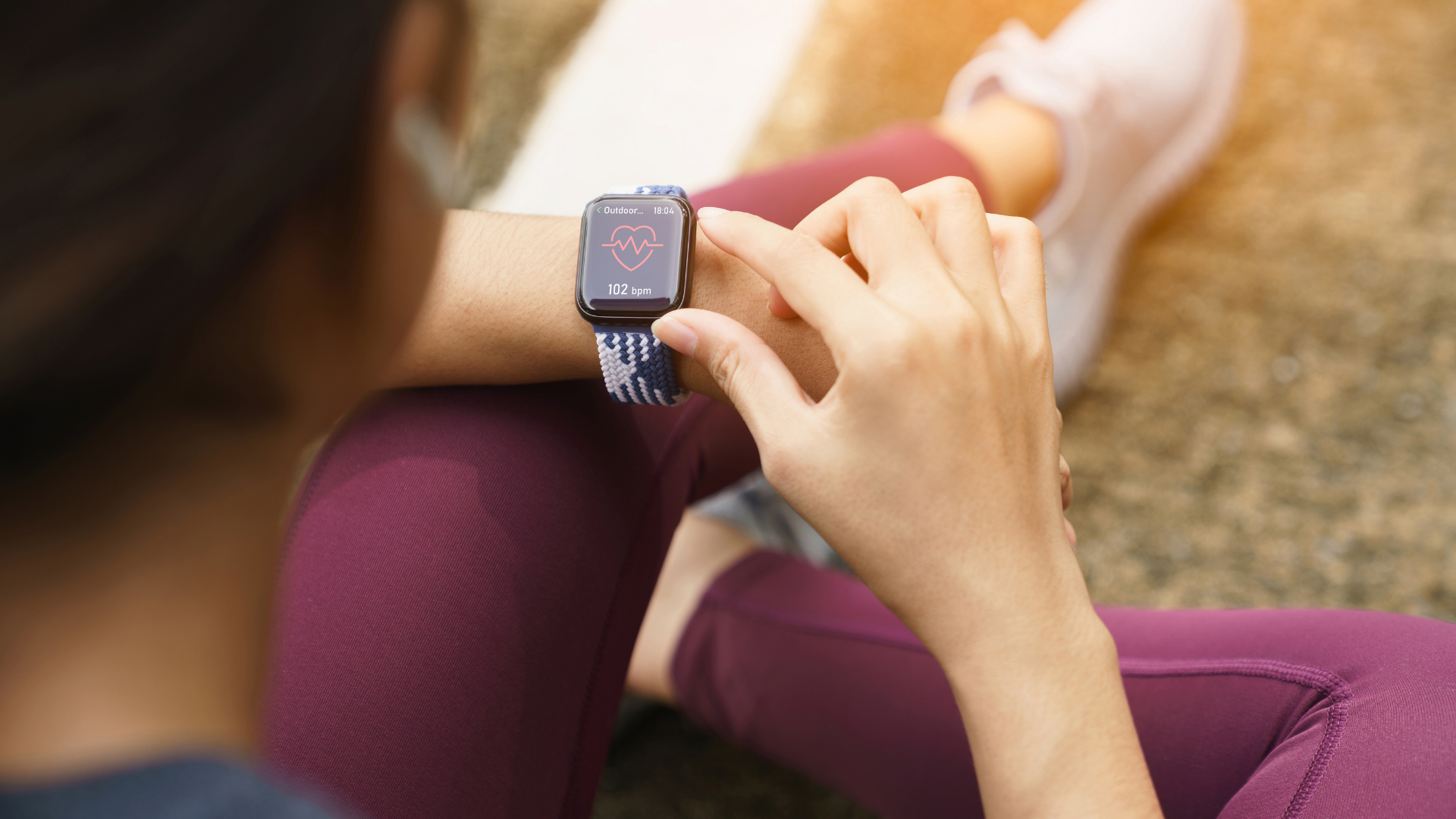
You step on a smart scale in the morning, track your steps and heart rate on a smartwatch throughout the day, check your blood pressure at home, or wear a continuous glucose monitor (CGM). But where does all that data actually go? Usually, it sits isolated in a smartphone app—or fuels unnecessary health anxiety as you try to decipher normal daily fluctuations on your own.
In traditional medicine, the only time a doctor looks at your numbers is during a rushed office visit once or twice a year.
We take a completely different approach. By securely connecting your home devices—from wearables and smart scales to CGMs and blood pressure cuffs—directly to our clinical platform, we transform preventive care from a once-a-year checkup into an active, ongoing partnership.
Here are the five reasons continuous physician monitoring is central to how we practice medicine.
1. No Unnecessary Office Visits Just to "Read Numbers"
In the traditional system, if a doctor wants to monitor your blood pressure or evaluate a new treatment, you often have to take time off work, drive to a clinic, sit in a waiting room, and pay a copay just to sit on an exam table for ten minutes.
Remote monitoring eliminates that friction.
Whether we are tracking resting heart rate trends, nocturnal blood pressure, or body composition changes, your data streams directly to our clinical dashboard. You don't have to schedule a visit just to hand over a logbook of numbers. We review your data in the background, reaching out when we see a trend that needs adjusting or celebrating progress when things look great.
2. Real-Time Intervention Tracking (Closing the Feedback Loop)
One of the biggest flaws in standard preventive care is the time gap between cause and effect.
If you start a new exercise regimen, change your nutrition, adjust your sleep habits, or start a medication, traditional medicine usually tells you: "Let's draw labs again in six months and see if it worked." Six months is a long time to wait to find out if an intervention is actually moving the needle.
With continuous monitoring, we close that feedback loop immediately:
Sleep and Recovery: We can see how specific evening routines, meal timing, or alcohol intake directly impact your sleep architecture and Heart Rate Variability (HRV) that same week.
Metabolic Health: Instead of guessing how a dietary change affects your metabolism, a CGM provides immediate data on glucose spikes and variability.
Cardiovascular Response: When we implement a new lifestyle intervention or blood pressure strategy, we track daily home readings over weeks—evaluating real-world averages rather than a single stressful reading in a clinic.
This real-time feedback allows us to iterate and fine-tune your health plan in weeks rather than years.
3. Built-In Accountability with a Real Doctor
Data alone rarely changes human behavior. Fitness trackers and smart scales have been around for years, but an automated push notification from an app is easy to ignore.
Having an actual physician reviewing your health data in real time changes the equation.
Knowing that a clinician is actively monitoring your progress creates a built-in layer of accountability. When you know your doctor is looking at your daily blood pressure averages, sleep trends, or workout consistency, it transforms passive tracking into active, daily engagement. It turns your physician into an ongoing health coach rather than just a reactive prescriber.
4. Establishing Your Baseline: Signal vs. Noise
Human physiology naturally fluctuates. Your blood pressure, heart rate, weight, and blood glucose change constantly based on stress, hydration, exercise, and sleep.
When a doctor takes a single blood pressure reading or blood draw once a year, they are looking at a single frame in a two-hour movie. That single reading might be elevated simply because you were stuck in traffic on the way to the clinic ("white coat syndrome") or dehydrated from a long flight.
Continuous monitoring allows us to separate temporary noise from true biological signals. By capturing hundreds of data points over weeks and months, we establish your personal baseline. We care far less about a single outlier reading on a random Tuesday than we do about your overall 30-day trajectory.
5. Catching Subtle Trajectories Early
Chronic conditions—like hypertension, metabolic dysfunction, or cardiorespiratory decline—do not develop overnight. They creep up over years through subtle, compounding shifts.
Continuous tracking allows us to catch negative trajectories long before they cross the threshold into full-blown disease. If your resting heart rate begins steadily drifting upward over three months, or if your sleep efficiency drops consistently, we can investigate and intervene early—long before those subtle changes turn into a clinical problem.
The Bottom Line
Technology shouldn't replace the patient-physician relationship; it should deepen it. Continuous remote monitoring gives us the data we need to move past reactive, check-the-box checkups and build a truly personalized, proactive strategy for your long-term health.
References
Omboni S, McManus RJ, Bosworth HB, et al. Seven Reasons Why Digital Health Is a Game Changer for Hypertension Management. Blood Pressure. 2020;29(5):260-267.
Crossley GH, Boyle A, Vitense H, et al. The Value of Continuous Remote Monitoring for Patients With Cardiac Devices. Journal of the American College of Cardiology. 2011;57(10):1181-1189.
Kario K. Management of Hypertension in the Digital Health Era. Hypertension Research. 2020;43(12):1333-1350.
delaeMD Clinical Team
Physician reviewedClinical content at delaeMD is written and reviewed by licensed physicians, grounded in peer-reviewed evidence and current clinical guidelines, and intended for education — not as a substitute for individualized medical advice. Reviews are non-sponsored, physician-directed, and conducted independently of industry funding.
Physician Dispatch
The Clinical Dispatch
Physician-authored articles on healthspan and preventive medicine. With Michael Leone, MD.