
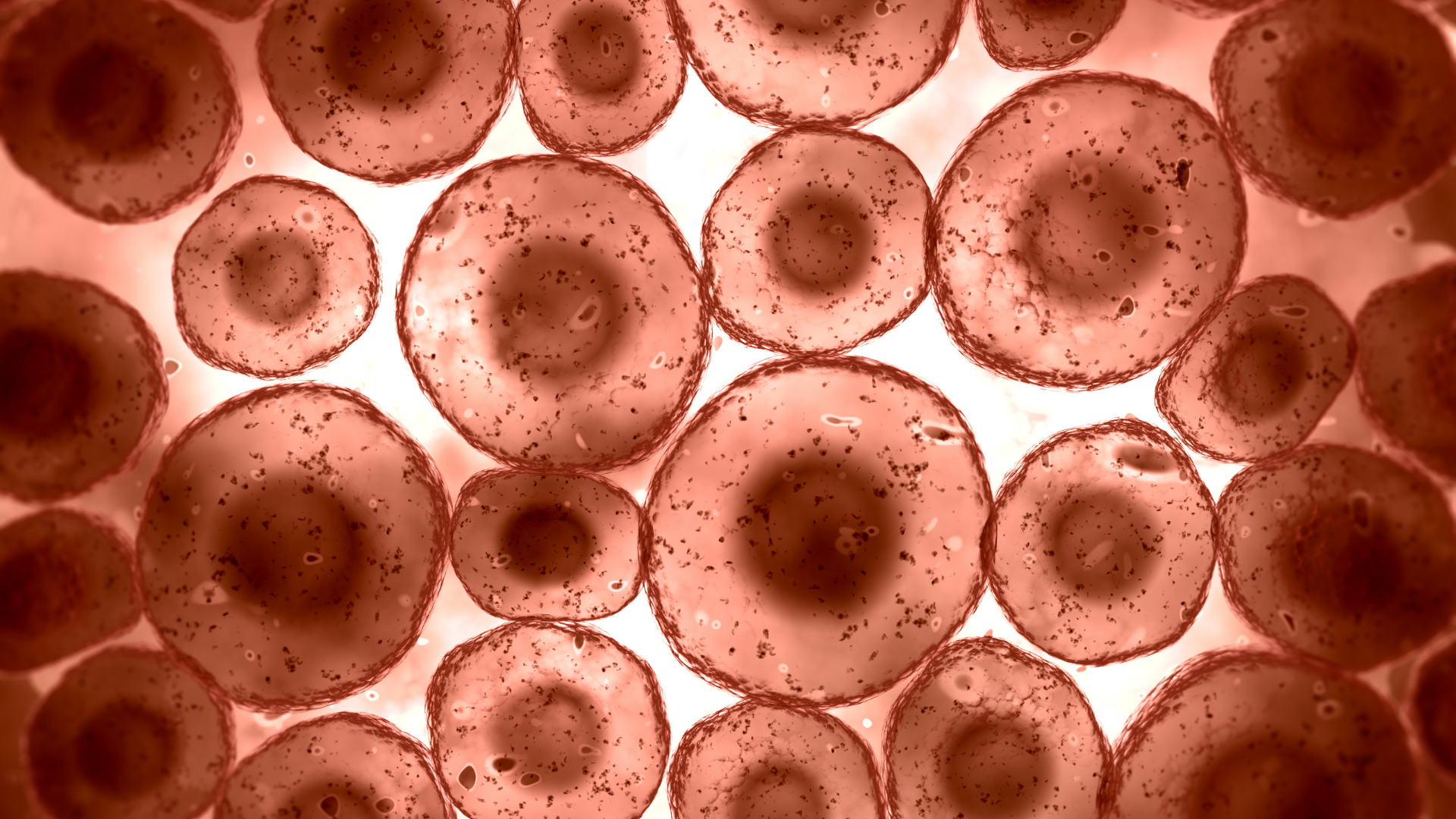
In the study of biological aging, cellular senescence has emerged as one of the most heavily researched mechanisms.
As tissues age or encounter persistent physiological stress, a subset of damaged cells enter a state of growth arrest. Instead of undergoing programmed cell death (apoptosis), these cells linger in tissue, secreting a potent cocktail of pro-inflammatory cytokines, chemokines, and matrix-degrading enzymes. Known in the scientific literature as senescent cells, their gradual accumulation is a primary driver of chronic inflammation, tissue degeneration, and age-related organ decline.1
This discovery led to the development of senolytics—a class of candidate pharmacological agents designed to selectively induce apoptosis in senescent cells while sparing healthy tissue.
While early animal models demonstrated improvements in lifespan and physical resilience, translating these therapies to human clinical practice has revealed both promising biomarker signals and important clinical complexities.
Here is an evidence-based overview of senolytics: how they work, the primary compounds under investigation, preclinical findings, human trial results, biological risks, and the current biotechnology landscape.
1. Defining Cellular Senescence, the SASP, and Senolytics
Cellular senescence is a stable, largely irreversible arrest of the cell cycle triggered by stressors such as telomere attrition, oxidative stress, DNA damage, and oncogenic signaling.
Senescence serves an essential physiological purpose: it acts as a critical tumor-suppressor mechanism by preventing cells with genomic damage from multiplying into malignant tumors. It also plays vital, temporary roles in normal embryonic development and acute wound healing.
However, when senescent cells persist and accumulate in aging tissues, they become problematic. They develop a specialized secretory profile known as the Senescence-Associated Secretory Phenotype (SASP). The SASP releases inflammatory molecules (including IL-6, IL-1beta, TNF-alpha, and matrix metalloproteinases) that degrade extracellular matrix proteins, damage neighboring healthy cells, and induce secondary senescence in adjacent tissue.
In the Hallmarks of Aging framework, cellular senescence drives multiple interconnected downstream pathologies:
Chronic Systemic Inflammation (Inflammaging): SASP factors continuously stimulate the immune system, sustaining background tissue inflammation.
Stem Cell Exhaustion: Senescence in progenitor cell populations depletes regenerative reserve, impairing normal tissue repair.
Altered Intercellular Communication: Paracrine signaling from the SASP disrupts normal cellular homeostasis in surrounding healthy tissues.
Senolytics vs. Senomorphics
Therapeutic strategies targeting this pathway fall into two main categories:
Senolytics: Small molecules, peptides, or genetic therapies that selectively trigger apoptosis in senescent cells, eliminating them from tissue.
Senomorphics: Compounds (such as rapamycin, metformin, or certain polyphenols) that suppress the pro-inflammatory SASP secretions without killing the senescent cell.
2. Mechanisms of Action: Targeting SCAP Networks
Unlike healthy cells that undergo apoptosis when severely damaged, senescent cells survive by upregulating specialized pro-survival defense networks known as Senescent Cell Anti-Apoptotic Pathways (SCAPs).
Senolytics function by temporarily disabling these SCAP survival networks, exposing the senescent cell to its own pro-apoptotic machinery:
BCL-2 / BCL-xL / BCL-W Pathways: Anti-apoptotic protein family members that sequester pro-death signals within mitochondria.
p53 / p21 / Serpin Networks: Regulate cell cycle arrest and protect senescent cells from death receptor activation.
PI3K / AKT / Metabolic Signaling: Protects senescent cells against metabolic stress and cytokine-induced apoptosis.
Tyrosine Kinase & Ephrin Receptors: Downregulate intracellular stress signals that would otherwise trigger cell death.
Because senescent cells do not divide and accumulate slowly over time, senolytics are designed for intermittent ("hit-and-run") dosing. Rather than requiring continuous daily administration, a periodic dose is given to clear accumulated senescent cells, followed by a treatment-free interval to allow tissue recovery.
3. The Main Senolytics Under Investigation
Researchers have identified several candidate small molecules that disrupt SCAP networks:
Dasatinib + Quercetin (D+Q): The most extensively studied combination. Dasatinib (an FDA-approved tyrosine kinase inhibitor used in leukemia) targets senescent adipocyte and mesenchymal progenitors, while Quercetin (a plant polyphenol) targets senescent endothelial cells. Combining them broadens the spectrum of senescent cell types cleared.
Fisetin: A naturally occurring flavonoid found in strawberries and other plants that targets PI3K/AKT and BCL pathways to reduce senescent cell burden in preclinical models.
Navitoclax (ABT-263): A potent small-molecule inhibitor of BCL-2, BCL-xL, and BCL-W. While effective at inducing apoptosis in senescent cells, its systemic clinical utility is limited by on-target thrombocytopenia (low blood platelet counts), as circulating platelets rely directly on BCL-xL for survival.
Targeted Bcl-xL Inhibitors (e.g., UBX1325 / Foselutoclax): Engineered molecules designed for localized delivery (such as intraocular injections) to clear senescent vascular cells in conditions like diabetic macular edema without systemic side effects.
4. Preclinical Proof-of-Concept in Animal Models
The foundational proof-of-concept for senolytics was established in transgenic mouse models.2
In landmark studies by Baker, van Deursen, and colleagues at the Mayo Clinic, researchers created the INK-ATTAC mouse model, engineering a drug-inducible suicide gene specifically into p16Ink4a-positive senescent cells.2 Eliminating these cells genetically in aged mice delayed age-related tissue deterioration, preserved kidney function, and increased median lifespan (with magnitude varying by strain, sex, and model up to ~27%).
Subsequent pharmacological studies in naturally aged wild-type rodents demonstrated that intermittent treatment with D+Q cleared senescent cells in fat depots, improved cardiovascular parameters, and reduced physical dysfunction. In disease-specific models, senolytic candidates improved insulin sensitivity, cleared senescent vascular cells, and attenuated neuroinflammation.
5. Human Clinical Trials: Biomarker Signals and Clinical Caveats
Translating senolytics from animal models to human clinical medicine has yielded early feasibility data alongside notable clinical trial complexities:
Idiopathic Pulmonary Fibrosis (IPF): In the first-in-human open-label pilot study of D+Q in 14 patients (Justice et al. 2019), short-term intermittent treatment was well-tolerated and showed preliminary, statistically significant improvements in physical function, such as 6-minute walk distance and 4-meter gait speed.3 However, in a subsequent randomized, placebo-controlled pilot trial (Nambiar et al. 2023, n=12) designed to evaluate feasibility and safety, functional improvements were not confirmed compared to placebo, underscoring the need for larger, adequately powered outcome trials.4
Diabetic Kidney Disease: A Phase 1 trial evaluating D+Q in patients with diabetic kidney disease (Hickson et al. 2019) demonstrated clear target engagement, showing a measurable reduction in senescent cell burden in abdominal adipose tissue and decreased circulating SASP inflammatory factors within days of treatment.5
Postmenopausal Osteoporosis: A Phase 2 randomized controlled trial (Farr et al. 2024) evaluated intermittent D+Q in postmenopausal women with low bone density.6 While the primary endpoint (bone resorption marker CTx) was negative across the overall cohort, exploratory subgroup analyses revealed that women with the highest baseline senescent cell burden showed significant increases in bone formation markers (P1NP) and wrist bone mineral density (+2.7%).6
Clinical Setbacks (Unity Biotechnology's UBX0101): The field experienced a major setback when UBX0101 (a p53/MDM2 senolytic candidate) failed its Phase 2 clinical trial for knee osteoarthritis, showing no statistically significant improvement in pain or function compared to placebo.
ITP Findings for Fisetin: In the National Institute on Aging's Interventions Testing Program (ITP), fisetin failed to show statistically significant lifespan extension in mice under standardized multi-site conditions, indicating that bioavailability, dosing regimens, and target tissue penetration remain unresolved challenges.
6. Potential Benefits vs. Biological Risks
While senolytics offer a compelling conceptual approach to geroscience, their clinical application carries biological risks that require careful evaluation:7
Potential Benefits:
Targeting Shared Upstream Mechanisms: Clearing senescent cells addresses a common biological driver of cardiovascular, metabolic, and fibrotic conditions simultaneously.
Intermittent Dosing Schedules: Periodic administration avoids the chronic side-effect profiles and compliance burdens of daily pharmaceutical therapy.
Tissue Niche Regeneration: Eliminating dysfunctional cells creates physical and signaling space for resident stem cells to proliferate and restore tissue architecture.
Biological Risks and Caveats:
Impaired Tissue Repair and Healing: Because acute cellular senescence is required for normal wound healing and tissue remodeling, inappropriately timed senolytic therapy could impair repair mechanisms.
Indiscriminate Clearance Hazards: Preclinical research shows that certain non-dividing, p16-positive cell populations (such as liver sinusoidal endothelial cells) perform essential homeostatic functions, meaning non-selective systemic clearance could lead to tissue damage.
On-Target Toxicity: Systemic BCL-xL inhibition carries a known risk of dose-dependent thrombocytopenia due to platelet reliance on BCL-xL for survival.
Absence of Validated Biomarkers: Clinical medicine currently lacks standardized, non-invasive blood tests to quantify total senescent cell burden, making it challenging to identify which patients might benefit from therapy.
7. The Biotechnology and Venture Landscape
The translation of senolytic biology has attracted substantial investment across several distinct therapeutic approaches:
Unity Biotechnology: Following early joint-space trial failures, the company pivoted toward ophthalmology, developing UBX1325 (a localized Bcl-xL inhibitor) for diabetic macular edema and wet age-related macular degeneration to clear senescent retinal vascular cells.
Rubedo Life Sciences: Uses single-cell transcriptomics and computational platforms to identify specific senescent cell subtypes in dermatological and pulmonary conditions, aiming to create cell-specific small molecules that minimize off-target effects.
Oisín Biotechnologies: Developing non-viral lipid nanoparticle genetic therapies designed to induce apoptosis selectively in cells expressing high levels of the senescence marker p16Ink4a.
Deciduous Therapeutics: Focused on activating endogenous immune surveillance—specifically invariant Natural Killer T (iNKT) cells—to clear senescent cells through natural immunologic pathways.
The Bottom Line
Senolytics represent one of the most innovative biological concepts in modern geroscience. The ability to selectively eliminate dysfunctional senescent cells offers a promising strategy to address the underlying drivers of chronic age-related disease.
However, the field remains firmly in the investigational stage.7
Moving senolytics into safe, routine clinical care will require developing validated senescence biomarkers, refining cell-specific delivery systems, and completing rigorous, randomized Phase 3 human outcome trials.
Explore where candidate aging interventions currently stand on the clinical evidence spectrum with our Gerotherapeutics Dashboard.
Have questions about geroscience, candidate therapeutics, or proactive preventive medicine? Ask our physicians directly through our Weekly Healthspan Q&A—we answer reader-submitted questions every week in our newsletter.
(Disclosure: The Healthspan Engine, Gerotherapeutics Dashboard, and Weekly Q&A are free educational resources provided by delaeMD.)
References
Forman DE, Kuchel GA, Newman JC, et al. Impact of Geroscience on Therapeutic Strategies for Older Adults With Cardiovascular Disease: JACC Scientific Statement. Journal of the American College of Cardiology. 2023;82(7):631-647.
Baker DJ, Wijshake T, Tchkonia T, et al. Clearance of p16Ink4a-positive senescent cells delays ageing-associated disorders. Nature. 2011;479(7372):232-236.
Justice JN, Nambiar AM, Tchkonia T, et al. Senolytics in idiopathic pulmonary fibrosis: Results from a first-in-human, open-label, pilot study. EBioMedicine. 2019;40:554-563.
Nambiar AM, Kellogg DL, Justice JN, et al. Senolytics Dasatinib and Quercetin in Idiopathic Pulmonary Fibrosis: Results of a Phase I, Single-Blind, Single-Center, Randomized, Placebo-Controlled Pilot Trial on Feasibility and Tolerability. EBioMedicine. 2023;90:104481.
Hickson LJ, Langhi Prata LGP, Bobart SA, et al. Senolytics decrease senescent cells in humans: Preliminary report from a clinical trial of Dasatinib plus Quercetin in individuals with diabetic kidney disease. EBioMedicine. 2019;47:446-456.
Farr JN, Atkinson EJ, Achenbach SJ, et al. Effects of Intermittent Senolytic Therapy on Bone Metabolism in Postmenopausal Women: A Phase 2 Randomized Controlled Trial. Nature Medicine. 2024;30(9):2605-2612.
Kritchevsky SB, Cummings SR. Geroscience. JAMA. 2025;334(12):1094-1102.
Clinical Oversight & Authorship
Physician revieweddelaeMD Clinical Team
Clinical content at delaeMD is written and reviewed by licensed physicians, grounded in peer-reviewed evidence and current clinical guidelines, and intended for education — not as a substitute for individualized medical advice. Reviews are non-sponsored, physician-directed, and conducted independently of industry funding.