Few topics in proactive health generate as many sensational headlines as Therapeutic Plasma Exchange (TPE) and plasma dilution.
If you follow wellness media or direct-to-consumer health trends, you have likely seen advertisements for "young blood" transfusions or direct-to-consumer clinics claiming to "reboot your biological clock" by filtering your blood.
These sensationalized claims make it easy to dismiss the entire concept as fringe science. However, looking past the commercial marketing reveals a legitimate, highly active field of geroscience research.
When evaluated in structured research settings, neutral plasma dilution (NPD)—replacing a portion of blood plasma with saline and purified human serum albumin—is demonstrating intriguing biological signals.
To evaluate this technology rationally, we must separate commercial hype from clinical reality: the potential benefit of plasma exchange isn't about adding a mysterious "youthful secret sauce," but rather evaluating how the body responds to diluting circulating inflammatory signals.
1. The Physiology: Neutral Plasma Dilution vs. The "Young Blood" Myth
The popular misconception surrounding plasma therapies is that aging bodies need specific factors from younger donors. Preclinical research has largely challenged this idea.
In landmark studies led by Dr. Irina and Dr. Michael Conboy, researchers tested whether tissue rejuvenation required young blood or simply the removal of old plasma. By replacing half of the blood plasma in aged mice with a simple mixture of saline and purified human serum albumin (Neutral Plasma Dilution), they observed multi-tissue regenerative signals across brain, liver, and muscle tissue.
Importantly, the authors noted that this effect was not driven by albumin acting as a restorative therapeutic agent on its own. Instead, the primary mechanism appears to be the dilution of elevated, autoregulatory systemic signaling proteins that normally accumulate with age and suppress tissue repair pathways.
What Plasma Dilution Actually Clears
As cells age, senescent ("zombie") cells secrete a cocktail of pro-inflammatory cytokines, chemokines, proteases, and growth factors known as the Senescence-Associated Secretory Phenotype (SASP). Over time, these circulating molecules contribute to chronic systemic inflammation and impair normal tissue repair. Diluting these circulating factors lowers systemic signaling noise, allowing endogenous tissue repair mechanisms to function more effectively.
2. Human Clinical Data: What the AMBAR Trial Taught Us
Translating mouse models into human clinical trials requires rigorous data. To date, the strongest clinical evidence evaluating plasma exchange in age-related disease comes from neurodegenerative research.
The AMBAR (Alzheimer Management by Albumin Replacement) trial evaluated 347 patients with mild-to-moderate Alzheimer's disease.
The Study Design: Patients were randomized into sham control or active treatment arms using plasma exchange. Treatment regimens involved replacing removed plasma with human serum albumin, with specific arms also alternating with intravenous immunoglobulin (IVIG)—an active, immune-modulating therapy.
The Clinical Results: On the co-primary functional endpoint (ADCS-ADL), patients receiving plasma exchange demonstrated a statistically significant 52% reduction in functional decline (p =.03). On the cognitive co-primary endpoint (ADAS-Cog), there was a trend toward 66% less decline (p =.06). Secondary endpoints (such as CDR-Sum of Boxes) showed up to a 71% reduction in decline.
Important Subgroup Nuance: The clinical benefits in AMBAR were driven almost entirely by participants with moderate Alzheimer's disease, while patients with mild disease showed no significant change compared to control.
Mechanistic Status: While AMBAR demonstrated a promising clinical signal, researchers emphasize that the exact molecular mechanisms remain under investigation and require further confirmation.
3. What Happens in Healthy Adults? The Epigenetic Clock Data
While clinical trials in moderate Alzheimer's disease have shown positive functional signals, the evidence for using TPE as an "anti-aging" procedure in healthy, non-diseased adults is unproven—and trial data cautions against it.
In a prospective clinical trial evaluating repeated plasmapheresis in healthy adult human volunteers, researchers measured validated biological age biomarkers:
No Epigenetic Rejuvenation: The study found no evidence of age reversal. Instead, multiple DNA methylation clocks (including DNAmGrimAge and the Hannum clock) and the pacing of aging metric (DunedinPACE) actually increased following treatment.
Transient Biomarker Depletion: Participants experienced expected, temporary drops in total serum protein and immunoglobulin levels.
A 2026 critical review in GeroScience similarly concluded that the mechanisms, long-term efficacy, and safety of TPE as a rejuvenation strategy in healthy populations remain incompletely understood, warning against broad commercial application outside of clinical trials.
4. Procedural Safety, Regulatory Context, and Risks
Therapeutic plasma exchange is an established medical procedure utilizing FDA-cleared apheresis equipment. In clinical medicine, apheresis indications are formally categorized by the American Society for Apheresis (ASFA) based on evidence quality. Off-label use for general wellness or anti-aging in healthy adults is not an ASFA-recognized indication.
Because TPE involves extracorporeal blood circulation, it carries real procedural considerations:
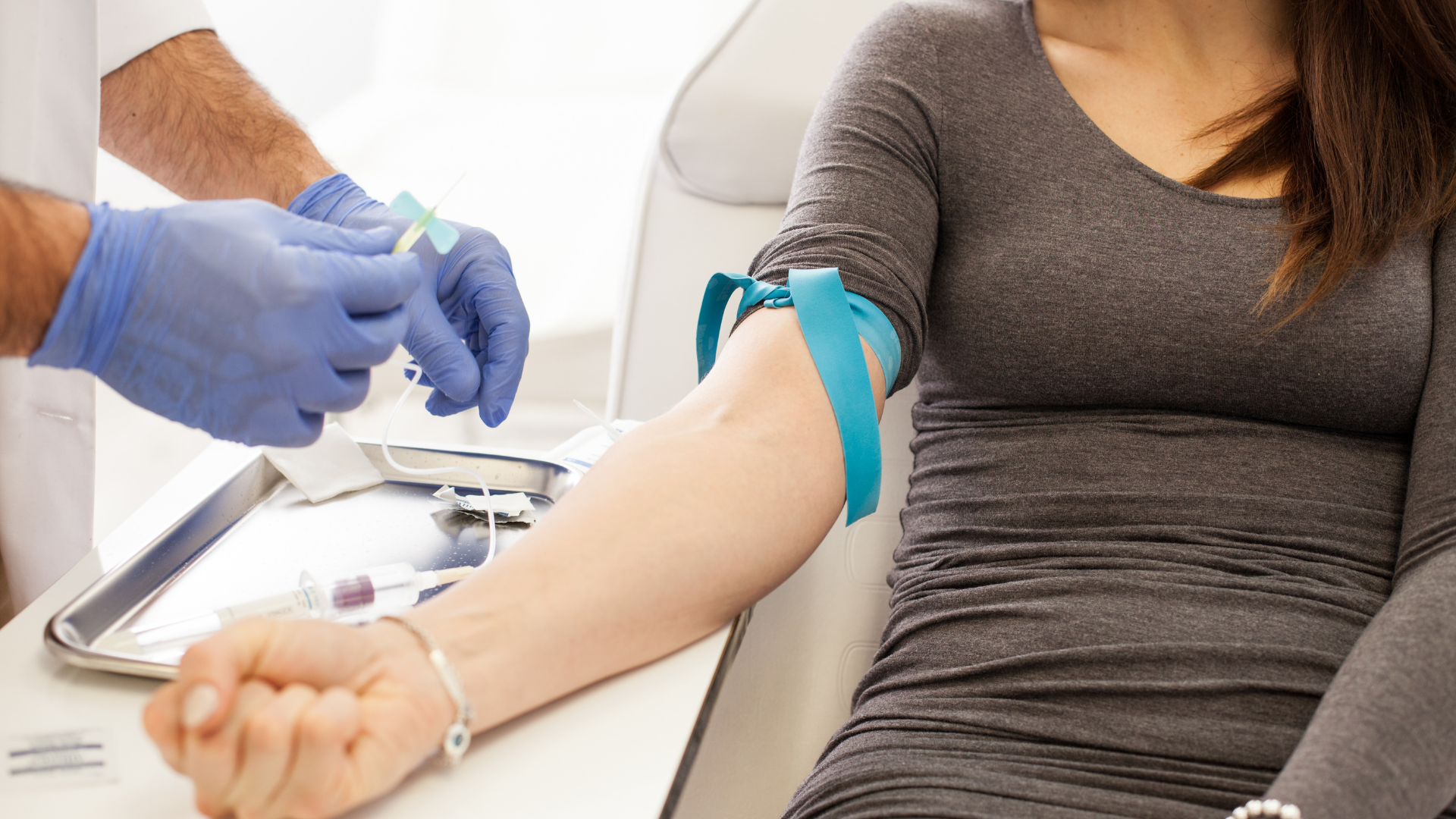
Vascular Access: TPE can often be performed via peripheral veins, though patients with difficult access may require central venous catheters, which carry specific risks of thrombosis or local infection.
Transient Electrolyte Shifts: The citrate anticoagulant used during apheresis binds ionized calcium, which can cause transient hypocalcemia (manifesting as tingling or muscle cramps). Prophylactic calcium administration significantly reduces this risk.
Protein and Coagulation Depletion: Removing plasma temporarily reduces circulating immunoglobulins and clotting factors, creating temporary depletion coagulopathy before liver synthesis restores baseline levels.
Overall Complication Rates: In modern centrifuge-based apheresis series, mild-to-moderate adverse reactions occur in roughly 10% of procedures, with severe cardiovascular or respiratory events being rare.
Comparing Evidence-Based Medicine vs. Commercial Claims
Plausible Biological Signals: Neutral plasma dilution reduces circulating SASP factors in preclinical models; structured plasma exchange regimens demonstrated functional stabilization in moderate Alzheimer's disease (AMBAR trial).
Unproven / Counter-Indicated Claims: Routine TPE for healthy adults does not have established clinical trial support; human trials in healthy subjects showed increases in epigenetic clock metrics rather than age reversal.
Clinical Safety & Regulatory Profile: Apheresis devices are FDA-cleared for specific ASFA-graded medical indications; procedures carry risks of transient hypocalcemia, protein depletion, and access complications requiring physician oversight.
The Bottom Line
Neutral plasma dilution represents an important, active area of geroscience research. By shifting the focus away from "adding youthful factors" and toward "clearing systemic inflammatory signaling," researchers are gaining valuable insights into neurodegenerative and metabolic diseases.
However, using TPE as a routine preventive treatment for healthy, asymptomatic adults is currently unproven. Human trial data in healthy cohorts does not show epigenetic age reversal, and the procedure carries real medical trade-offs.
If your goal is to protect your long-term healthspan, rely on high-yield, proven clinical foundations: optimizing your cardiovascular particle count (ApoB), maintaining muscle mass through progressive resistance training, and protecting cardiorespiratory fitness (VO2 max). Leave plasma dilution to structured, peer-reviewed clinical trials or established medical indications under specialized care.
References
Mehdipour M, Skinner C, Wong N, et al. Rejuvenation of Three Germ Layers Tissues by Exchanging Old Blood Plasma With Saline-Albumin. Aging. 2020;12(10):8790-8819.
Gulej R, Patai R, Ungvari A, et al. Plasma-Based Strategies for Systemic Rejuvenation: Critical Perspectives on Clinical Translation. GeroScience. 2026;48(3):4571-4584.
Boada M, López OL, Olazarán J, et al. A Randomized, Controlled Clinical Trial of Plasma Exchange With Albumin Replacement for Alzheimer's Disease: Primary Results of the AMBAR Study. Alzheimer's & Dementia. 2020;16(10):1412-1425.
Birch J, Gil J. Senescence and the SASP: Many Therapeutic Avenues. Genes & Development. 2020;34(23-24):1565-1576.
Borsky P, Holmannova D, Parova H, et al. Human Clinical Trial of Plasmapheresis Effects on Biomarkers of Aging (Efficacy and Safety Trial). Scientific Reports. 2025;15(1):21059.
Warner D, Duncan H, Gudsoorkar P, Anand M. Indications and Complications Associated With Centrifuge-Based Therapeutic Plasma Exchange - A Retrospective Review. BMC Nephrology. 2025;26(1):87.
Memon AB, Lisak RP. Use of Therapeutic Plasma Exchange in Autoimmune Neuromuscular Disorders. Muscle & Nerve. 2026;74(2):302-316.
Editorial Oversight & Clinical Review
delaeMD Clinical Team
Clinical content at delaeMD is written and reviewed by licensed physicians. Articles are grounded in peer-reviewed evidence and current clinical guidelines, and are intended for education — not as a substitute for individualized medical advice.