In 1964–1965, a scientific expedition collected soil samples from Rapa Nui (Easter Island). Years later, in 1975, researchers isolated a compound produced by the soil bacterium Streptomyces hygroscopicus. They named it rapamycin.
Originally approved as a high-dose immunosuppressant to prevent organ transplant rejection (under the generic name sirolimus), rapamycin has become one of the most widely studied candidate molecules in modern aging science.
Here is a clear, evidence-based look at what rapamycin is, how it affects cellular biology, where preclinical research stands, and what human clinical trials have actually shown—including the negative findings that rarely get covered online.
What Is mTOR? (Growth vs. Cellular Repair)
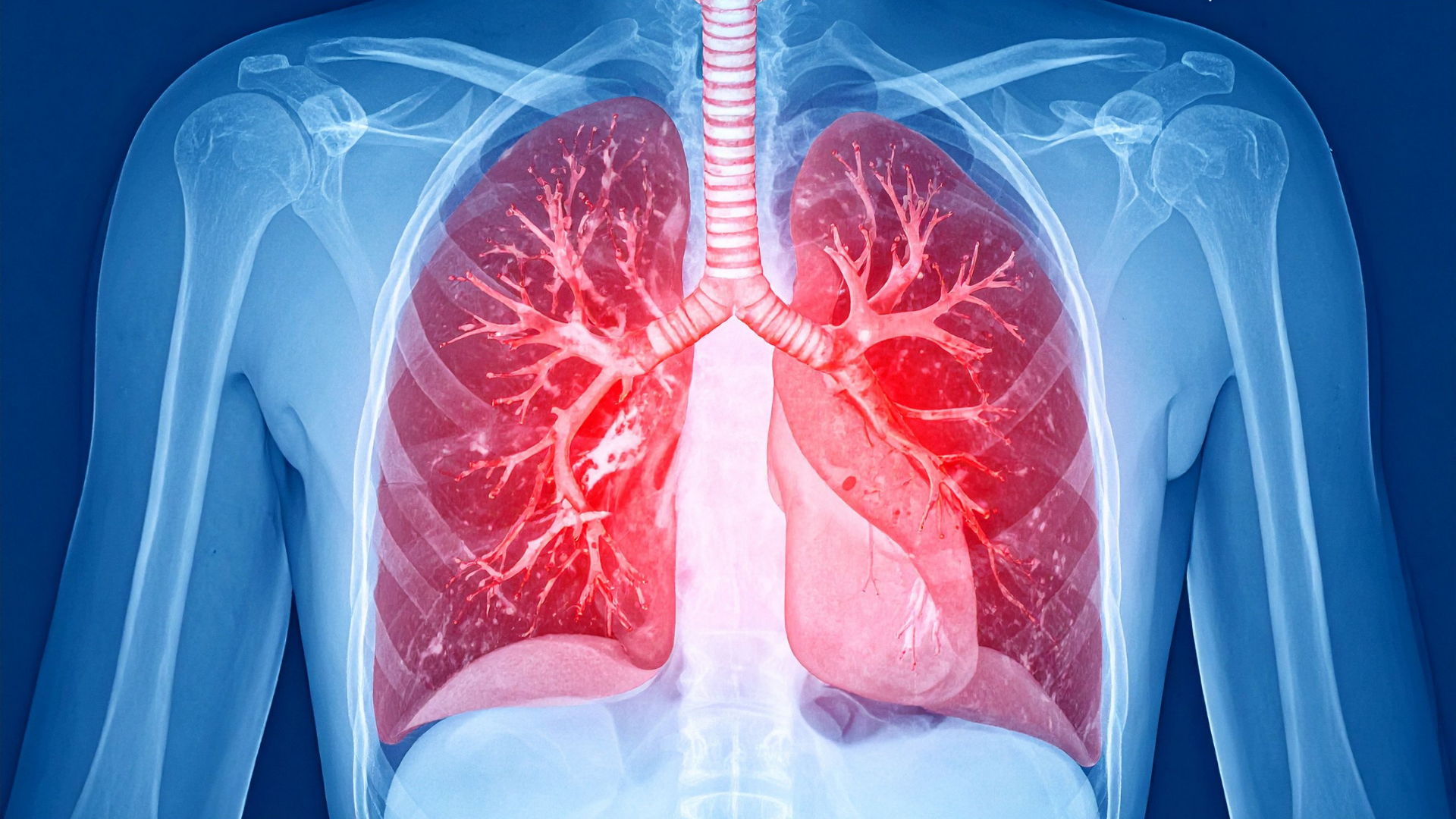
Rapamycin works by inhibiting a protein kinase in our cells called mTOR (Mechanistic Target of Rapamycin), which acts as a master switch for cell growth and energy use:
High mTOR Activity (Abundant Nutrients): Signals cells to focus on growth, protein synthesis, and cell division.
Low mTOR Activity (Nutrient Scarcity): Signals cells to pause growth and prioritize repair, maintenance, and autophagy—the process where cells clear out damaged proteins and organelles.
Scientists categorize mTOR into two main complexes: mTORC1 (which regulates autophagy and cell growth) and mTORC2 (which regulates cell survival and metabolic control).
In high-dose daily organ transplant medicine, rapamycin inhibits both complexes, causing systemic immunosuppression. In longevity research, scientists hypothesize that low, intermittent weekly doses might selectively target mTORC1 while attempting to spare mTORC2. However, whether weekly dosing completely avoids mTORC2 suppression in humans remains an area of active investigation, as mTORC2 suppression depends heavily on dose, duration, and individual tissue types.1
Preclinical Evidence: Conserved Biology Across Species
What makes rapamycin uniquely interesting in geroscience is how consistently it affects different organisms.
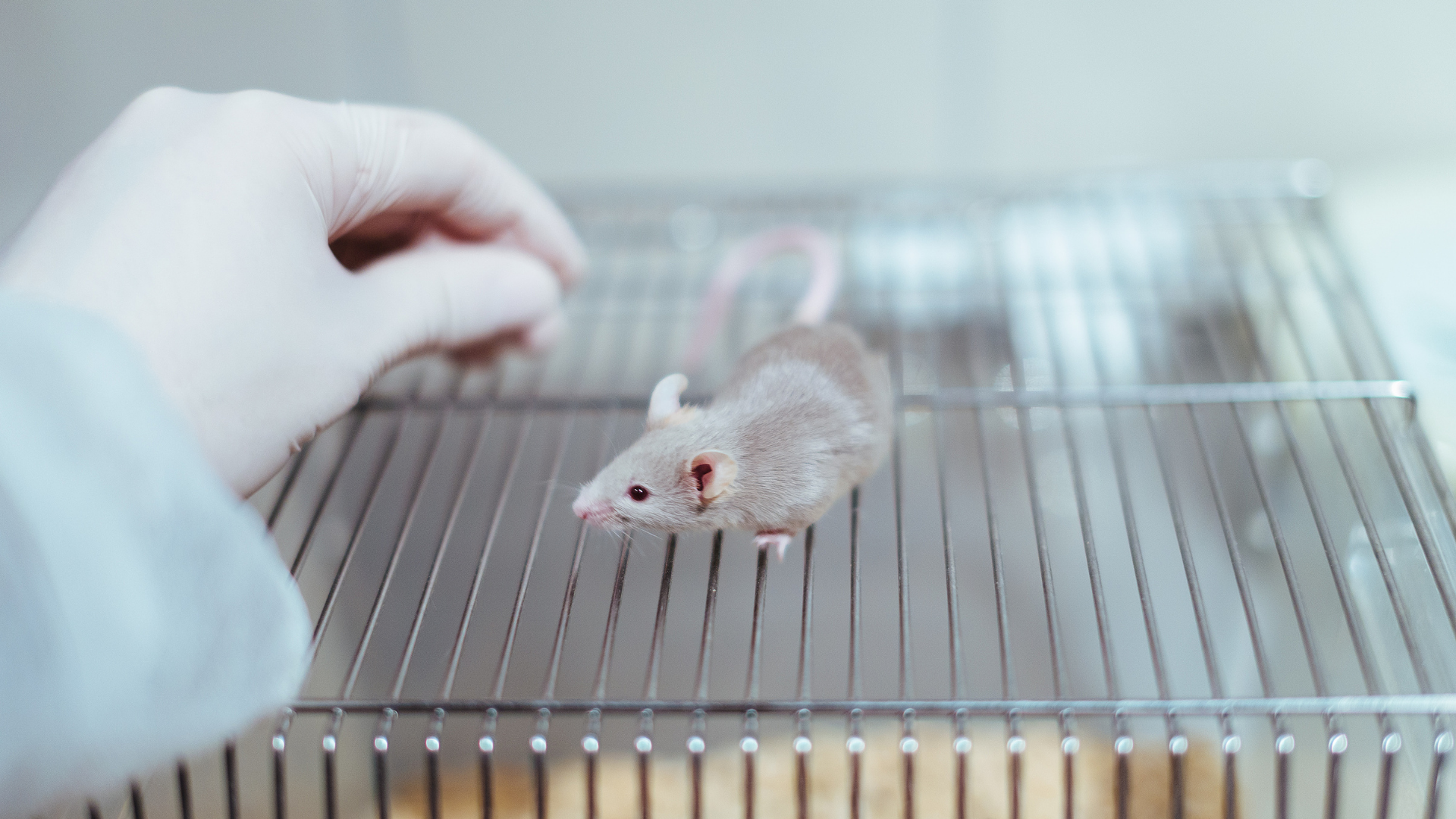
Inhibiting the mTOR pathway extends lifespan in yeast, fruit flies, roundworms, and mice. Because mTOR is evolutionarily conserved across nearly all eukaryotic life, its role in regulating cellular aging appears to be fundamental biology rather than a species-specific quirk.
The strongest preclinical evidence comes from the National Institute on Aging’s Interventions Testing Program (ITP).2 In 2009, researchers demonstrated that rapamycin extended both median and maximum lifespan in genetically diverse mice—even when treatment was started late in life (the mouse equivalent of roughly 60 human years).2 This finding has been repeatedly replicated across various dosages in subsequent ITP studies.
What Human Clinical Data Actually Shows
While animal data is strong, translating mouse studies to human healthspan is complex. Recent human trials offer an important, nuanced picture:
1. Immune Function & The Limits of "Rapalogs"
A widely cited 2014 study evaluated everolimus (a synthetic rapamycin derivative, or "rapalog") in older adults, finding that short-term, low-dose treatment improved antibody response to an influenza vaccine by 20%.3
However, translating these immune signals into real-world disease reduction proved challenging. A subsequent large Phase 3 clinical trial testing an mTOR inhibitor (RTB101) in over 1,000 older adults failed to show a significant reduction in symptomatic respiratory illnesses.4 This outcome serves as a critical reminder that early proof-of-concept immune signals do not automatically translate into clinical prevention in humans.
2. The PEARL Trial: Primary vs. Secondary Results
The PEARL trial evaluated weekly rapamycin (5 mg or 10 mg) over 48 weeks in older adults.5 To evaluate this study accurately, it is essential to distinguish between its primary and secondary endpoints:
Primary Endpoint (Negative): The trial's main goal was to evaluate changes in visceral fat. On this primary outcome, weekly rapamycin showed no statistically significant benefit compared to placebo.5
Secondary & Subgroup Signals (Exploratory): In secondary exploratory analyses, women taking the 10 mg weekly dose showed modest improvements in lean muscle mass, pain scores, and self-reported health metrics.5 While interesting, secondary subgroup findings carry a higher risk of being false positives and require confirmation in larger, dedicated trials.
Known Side Effects and Clinical Risks
Off-label use of rapamycin for healthspan extension carries documented clinical risks and significant uncertainties:
Mouth Sores (Mucositis): Stomatitis and painful aphthous ulcers are the most frequent dose-dependent side effect in human trials.1,5
Metabolic Alterations: Rapamycin can alter blood lipid profiles (increasing triglycerides and LDL cholesterol) and cause temporary glucose intolerance.1,5
Hematologic Decrements: Clinical studies in older adults have observed small but statistically significant decreases in red blood cell counts, hemoglobin, and hematocrit.1
Lack of Biomarkers & Dosing Standards: There is currently no validated human dosing regimen for healthspan, nor do we have a validated blood biomarker to confirm whether a specific dose achieves beneficial mTORC1 inhibition without triggering subclinical harm.
The Bottom Line
Rapamycin remains one of the most scientifically compelling molecules in preclinical aging research. Its ability to extend lifespan across multiple animal species by targeting the mTOR pathway is foundational to modern geroscience.
However, human evidence is still in its infancy. With negative primary endpoints in human trials like PEARL and failed Phase 3 clinical outcomes in immune studies, rapamycin is far from a proven human longevity therapy. Any clinical discussion regarding its use requires an honest assessment of these evidence gaps, baseline blood work, ongoing medical supervision, and a clear understanding of the trade-offs involved.
References
Lee DJW, Hodzic Kuerec A, Maier AB. Targeting Ageing With Rapamycin and Its Derivatives in Humans: A Systematic Review. The Lancet Healthy Longevity. 2024;5(2):e152-e162.
Harrison DE, Strong R, Sharp ZD, et al. Rapamycin Fed Late in Life Extends Lifespan in Genetically Heterogeneous Mice. Nature. 2009;460(7253):392-396.
Mannick JB, Del Giudice G, Lattanzi M, et al. mTOR Inhibition Improves Immune Function in the Elderly. Science Translational Medicine. 2014;6(268):268ra179.
Mannick JB, Teo G, Bernardo P, et al. Targeting the Biology of Ageing With mTOR Inhibitors to Improve Immune Function in Older Adults: Phase 2b and Phase 3 Randomised Trials. The Lancet Healthy Longevity. 2021;2(5):e250-e262.
Moel M, Harinath G, Lee V, et al. Influence of Rapamycin on Safety and Healthspan Metrics After One Year: PEARL Trial Results. Aging. 2025;17(4):908-936.
delaeMD Clinical Team
Physician reviewedClinical content at delaeMD is written and reviewed by licensed physicians, grounded in peer-reviewed evidence and current clinical guidelines, and intended for education — not as a substitute for individualized medical advice. Reviews are non-sponsored, physician-directed, and conducted independently of industry funding.
Physician Dispatch
The Clinical Dispatch
Physician-authored articles on healthspan and preventive medicine. With Michael Leone, MD.